
 English
 Bahasa Melayu
 Suomen kieli
 عربي
 Português
 Français
 Pусский
 Español
What Happens If a Rapid Shutdown Device Fails in the ON Position?
A rapid shutdown device (RSD) is designed to do one thing: when an emergency occurs—whether a fire, a maintenance operation, or a system fault—it disconnects the module and drops

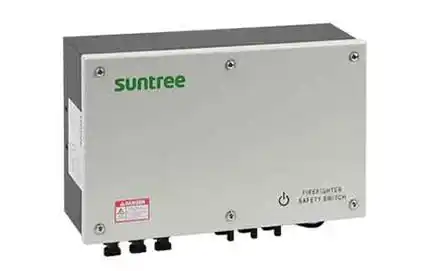
A rapid shutdown device (RSD) is designed to do one thing: when an emergency occurs—whether a fire, a maintenance operation, or a system fault—it disconnects the module and drops
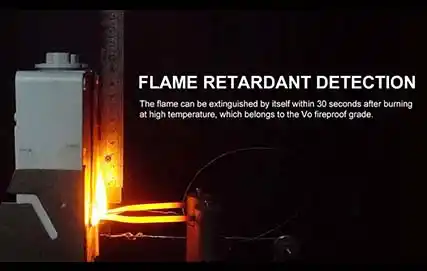
You're doing your routine PV system walk-down, and your hand brushes against the DC isolator enclosure. It's hot—hot enough that you pull your hand back immediately.Here's the hard truth: a DC isolato
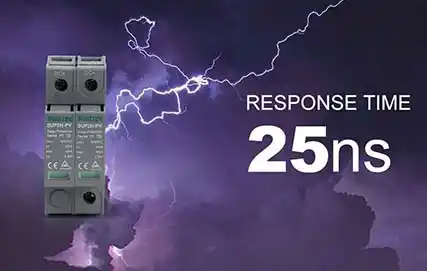
A lightning strike near your solar installation is a stressful event. Your inverter might still be running, the system might still be producing power—but that doesn't mean your DC surge protection device (SPD) is still protecting you.
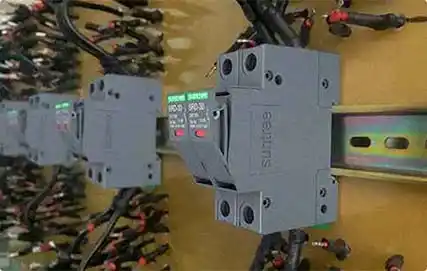
A DC fuse that blows once is doing its job. A DC fuse that blows twice might be bad luck. A DC fuse that blows three, four, or five times? That’s a problem demanding immediate attention.Repeated fuse
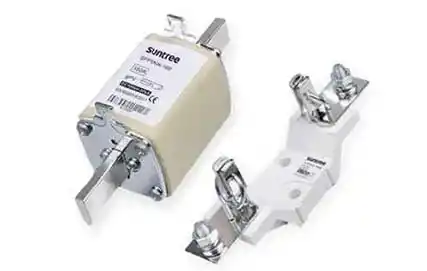
Corrosion inside DC fuse holders is one of the most common yet easily overlooked failure points in outdoor photovoltaic (PV) systems. Unlike sudden component failures, corrosion develops slowly—increasing contact resistance, generating abnormal heat, and eventually leading to nuisance fuse blowing or complete string downtim...
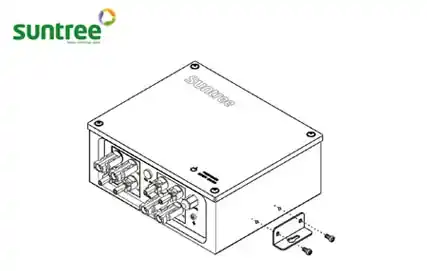
For commercial PV plants, safety and operational efficiency are not mutually exclusive. Integrating string-level rapid shutdown devices (RSDs) with a system monitoring platform allows O&M teams to meet NEC 690.12 safety compliance requirements while

In commercial solar PV systems, excessive voltage drop across a DC circuit breaker is more than just an efficiency problem—it directly reduces energy yield and signals underlying contact issues that can escalate into safety hazards.

Breaking capacity is the most critical safety parameter for DC Molded Case Circuit Breakers (MCCBs) in solar applications. Selecting the wrong rating can lead to catastrophic failure—including fire or equipment explosion.

As the global photovoltaic industry continues to expand rapidly—with 495GW of new capacity added in 2024 alone—safety risks have emerged as a critical concern for system designers and installers. Amon
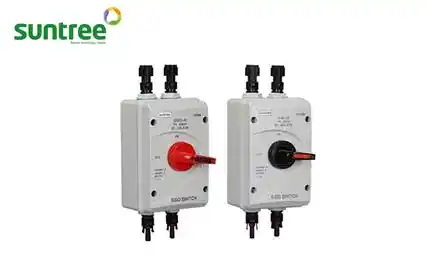
For solar maintenance professionals, the DC isolator switch is more than a component—it is a lifeline. Every year, arc flash incidents and electrocution injuries occur because technicians either use the wrong type of switch or operate it in the wrong sequence.
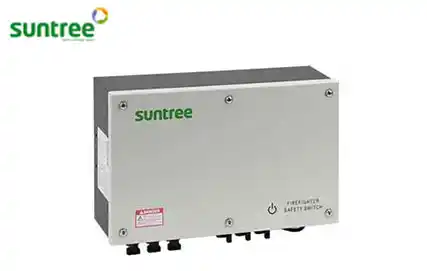
Does your inverter display show “RSD Comm Loss,” “Rapid Shutdown Communication Error,” or a similar fault code? When this occurs, your entire PV system may come to a halt—output drops to zero, no powe
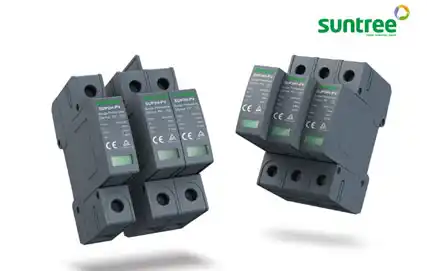
In a utility-scale solar plant, the DC combiner box serves as the central hub where multiple PV strings converge before power flows to the inverter. This makes it a critical point of vulnerability. A lightning strike or switching transient miles away can induce thousands of
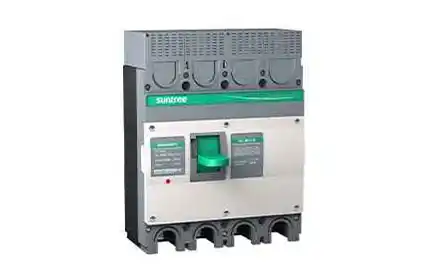
Battery Energy Storage Systems (BESS) introduce a fundamental electrical characteristic that traditional DC power systems never had to manage: bidirectional current flow. During charging, current move

NEC 2026 maintains and refines the module‑level rapid shutdown requirement: conductors outside the array boundary must drop to 30 V or less within 30 seconds, while inside the boundary,

A frequently tripping DC miniature circuit breaker (MCB) in a solar combiner box is more than just an annoyance—it represents lost revenue from unharvested energy and, more critically, a potential saf

Selecting the correct DC MCB rating for solar strings is not a “one-size-fits-all” decision. Installers and system designers often struggle between oversizing (which reduces protection) and undersizing (frequent nuisance trips).

If you're a solar system buyer, installer, or project manager, let's get straight to the point—you're here because you need a definitive answer: Does your solar system really need a DC combiner box? A

DC surge protective device (DC SPD) are core components of DC power systems, stabilizing voltage, diverting surge current, extending equipment life, reducing downtime, and enhancing safety.
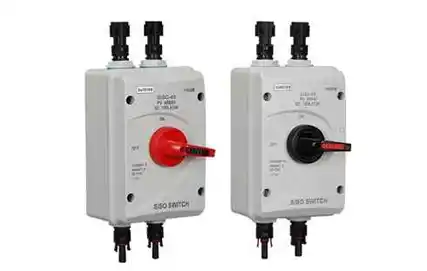
To fundamentally reduce the failure rate of DC isolating switch, you need a three-pronged strategy: selecting arc-resistant, certified components, such as Suntree's specialized models;
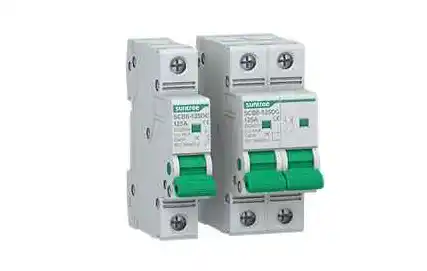
When purchasing a DC MCB , there are three core points: matching the voltage and current of the system, ensuring that protection does not "fail" under extreme operating conditions, and controlling the full-life-cycle cost. To achieve these three goals,
GET A QUOTE