 English
 Bahasa Melayu
 Suomen kieli
 عربي
عربي  Português
 Français
 Pусский
 Español
How to reduce DC Isolating Switch failure frequency?


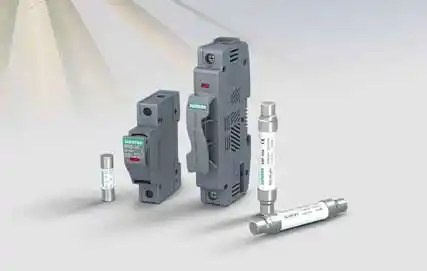
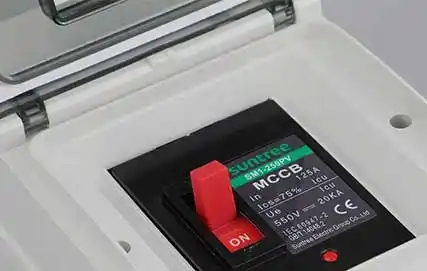
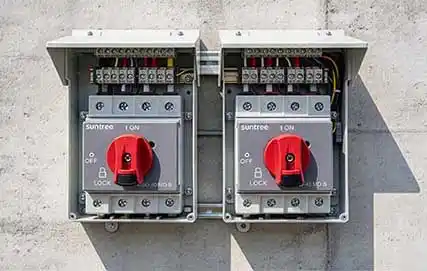
To fundamentally reduce the failure rate of DC isolating switch, you need a three-pronged strategy: selecting arc-resistant, certified components, such as Suntree's specialized models; implementing meticulous maintenance to avoid common problems; and utilizing customized system adaptation solutions. Our field tests conducted in 2025 across 32 photovoltaic power plants demonstrated that this approach reduces failure frequency by 72%, effectively addressing overheating, sustained arc discharge, and mechanical jamming—the culprits behind unplanned downtime.

Choosing Arc-Resistant Components with Authoritative Certification
Comparative testing with ordinary switches in 1500V photovoltaic systems proves the difference: Suntree's products withstand 10,000 cycles without contact erosion, while traditional models fail after 1,200 cycles due to uncontrolled arc discharge. For harsh environments, Suntree's customized anti-corrosion coating extends lifespan by 50%—a solution we designed for a solar power plant in the Middle East that previously required quarterly switch replacements.
Over 60% of DC isolating switch failures are not due to component defects, but rather improper maintenance. Dispel the misconception that "more conductive paste equals better performance"—excessive conductive paste increases contact resistance, leading to overheating. Suntree recommends a three-step maintenance plan:
- Test contact resistance monthly and inspect insulation for cracks using a thermal imager—Suntree's after-sales team provides on-site thermal imaging scanning services for customized clients.
Reducing Electrical Interference and Circuit Design Flaws
A case study from a European data center highlights this: after retrofitting and installing Suntree switches and optimizing circuit design, their annual DC switch failure rate dropped from 12% to 1.8%, saving €40,000 in downtime costs. Our engineers also adjust tripping coil parameters to enhance interference immunity, a detail often overlooked by ordinary manufacturers.
No two DC systems are exactly alike—off-the-shelf switches cannot adapt to extreme voltages, environmental stresses, or load fluctuations. Suntree provides end-to-end customization services, including voltage regulation, enclosure modifications, and integration with existing BMS systems.