 English
 Bahasa Melayu
 Suomen kieli
 عربي
عربي  Português
 Français
 Pусский
 Español
The impact of DC fast charging on electric vehicle batteries and protection strategies


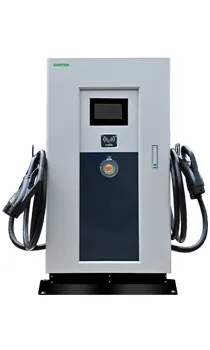
Compared with traditional AC charging, DC fast evcharing station (DC fast charging) delivers higher charging power and faster charging by directly delivering electric energy to the EV battery without going through conversion by the vehicle's internal charger. However, DC fast charging will have an impact on the life of EV batteries, but using it correctly and following the manufacturer's recommendations can mitigate this impact and extend the life of the battery. Understanding the factors that affect battery life and adopting appropriate charging strategies are critical to battery health. Here are a few charging factors that affect battery life worth noting:
1. Battery heat dissipation: Compared with conventional AC charging or slower charging methods, DC fast charging will generate more heat, and excessive temperature may accelerate battery degradation. However, modern electric vehicles are equipped with advanced thermal management systems for regulating temperature to minimize the impact.
2. Battery composition and design: The impact of fast charging depends on the specific battery chemistry and EV design. Lithium-ion batteries, a common electric vehicle battery type, have different characteristics and tolerances when it comes to fast charging.
3. Charging frequency: Frequent use of DC fast charging may have a greater impact on the overall health of the battery. However, occasional use of fast charging, such as during long trips or emergencies, is generally considered acceptable and does not cause significant damage to the battery.
4. Battery Management System (BMS): Modern electric vehicles are equipped with advanced battery management systems that can accurately monitor and control the charging process to protect the battery from damage. BMS ensures that the battery receives the appropriate voltage, current and temperature during fast charging.
To maximize the life of your electric vehicle battery, it's generally recommended to follow the manufacturer's guidance on charging, including any specific recommendations related to fast charging. Balancing the convenience of DC fast charging with regular charging methods helps maintain the overall health of your battery. In practice, ensuring normal battery heat dissipation, reasonably controlling charging frequency, and fully relying on the functions of the battery management system are all important measures to protect battery health.