 English
 Bahasa Melayu
 Suomen kieli
 عربي
عربي  Português
 Français
 Pусский
 Español
Can You Have Multiple Users For EV Charger With Family


As electric vehicles (EVs) become more popular, many households are opting to install home chargers. One common question is whether a single EV charger can be shared by multiple users within the same household. Yes, it's possible to have multiple users for an EV charger within a family through methods such as registering multiple vehicles under a single account, using access cards or key fobs, and setting up user profiles on smart chargers, though coordination may be needed when multiple vehicles require charging simultaneously.
1. How Does Sharing a Charger Work?
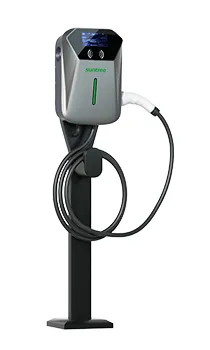
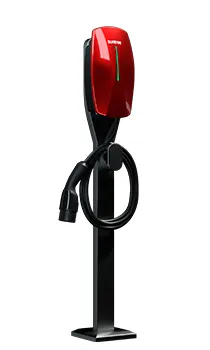
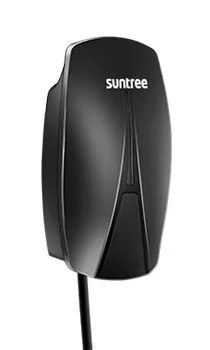
To start, home EV chargers are typically installed as wall-mounted or ground-mounted units to provide charging for electric vehicles. Many modern chargers, especially smart chargers, are capable of supporting multiple user management. For instance, in a household with two electric vehicles, the charger can be configured to charge both vehicles, even though it’ s a single charger.
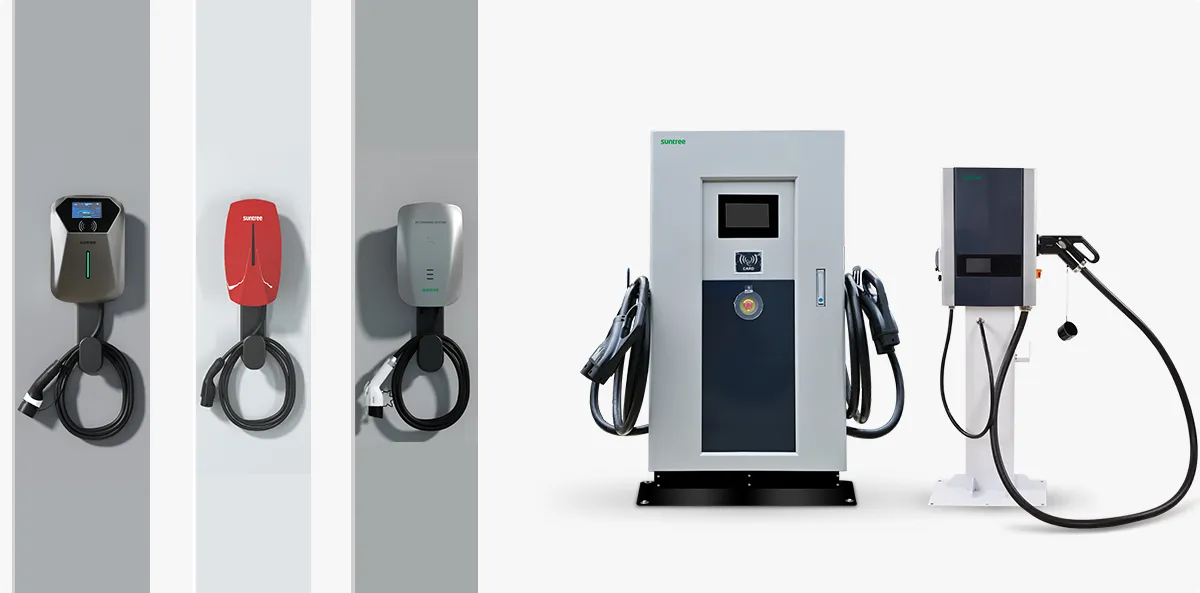
Smart chargers usually come with features like Wi-Fi and Bluetooth connectivity, which allow them to be controlled remotely via mobile apps or cloud platforms.Through these platforms, household members can set charging schedules, monitor the charging status, and adjust power settings.This way, multiple users can easily share the charger without conflicts or delays, even during peak charging hours.
2. How to Set Up a Shared EV Charger for Multiple Users?
Setting up a shared charger for multiple users in a home is quite straightforward, usually involving these key steps:
* Choose a Multi-User Compatible Charger:Modern smart home chargers often come with apps or cloud platforms that allow multiple accounts to be managed. Choose a charger that supports multi-user functionality and can be integrated with home Wi-Fi or mobile devices.
* Create Multiple User Accounts: Each family member can create an individual account within the app or platform.These accounts can store personalized settings, such as preferred charging times, power preferences, and notifications.This ensures that each person can independently manage their own vehicle’ s charging.
* Set Flexible Charging Priorities: Some smart chargers allow users to set charging priorities based on factors like battery level or preferred charging times.This feature is especially useful when multiple EVs need to be charged simultaneously, preventing “ charging conflicts” and ensuring that everyone gets their turn in an organized manner.
3. Advantages of Sharing a Charger
* Improved Charging Efficiency
In a multi-EV household, using a shared smart charger can significantly improve charging efficiency.Family members can schedule charging times according to their needs, avoiding unnecessary waiting or overlapping charging times.Most smart chargers have scheduling features that allow users to plan charging sessions in advance, ensuring that each vehicle is charged at the optimal time.
* Reduced Costs
Instead of installing multiple chargers, which can be costly in terms of both equipment and installation, a single multi-user charger can meet the needs of the entire household.Additionally, some chargers come with dynamic pricing features that adjust charging times based on electricity cost fluctuations, helping families reduce energy bills.
* Enhanced Safety
Shared smart chargers are generally designed with multiple safety features such as overload protection, short-circuit protection, and leakage detection.The charging process is carefully monitored to prevent issues like overheating or overcharging.Family members can also use the mobile app to track the charging status in real-time, identifying potential problems before they escalate.
* Transparent Data
Smart chargers provide detailed charging data, such as charging time, energy consumption, and costs.This transparency allows family members to track the charging patterns of each vehicle and adjust their charging habits accordingly.Some chargers even integrate with home energy management systems or utility providers to optimize energy usage, making the entire household more energy-efficient.
4. The Future of Smart EV Chargers
As technology advances, the future of home EV chargers looks even more promising.Next-generation chargers may offer even more precise and adaptive charging capabilities, automatically adjusting based on each vehicle's battery health and charging requirements.Additionally, with the increasing adoption of vehicle-to-grid (V2G) technology, chargers may also allow energy exchange between the vehicle and the home or grid, further optimizing energy usage.
Furthermore, with the rise of EVs in households, chargers are expected to become even smarter and more user-friendly, providing seamless integration with home automation systems, thus making it easier for users to manage charging across multiple vehicles.In the future, smart chargers may even work in tandem with public charging networks, allowing for better interoperability between home, work, and public charging locations.
Conclusion
In summary, modern smart EV chargers are perfectly capable of handling multiple users in a household. By taking advantage of multi-user functionality, flexible charging schedules, and intelligent monitoring, a single charger can efficiently meet the needs of multiple family members with electric vehicles.As technology continues to evolve, the experience of managing home EV charging will become even more seamless and tailored to individual needs, supporting the transition to a more sustainable, electric-powered future.