 English
 Bahasa Melayu
 Suomen kieli
 عربي
عربي  Português
 Français
 Pусский
 Español
How to Wash Electric Blanket


Regular cleaning of electric blankets is essential for hygiene and longevity, while improper handling may damage internal circuits. Below is a scientific guide to cleaning and safe usage, with basic electrical safety tips.
Key Preparations Before Cleaning
Power Off & Visual Inspection
• Unplug First: Ensure the blanket is completely disconnected from the power source.
• Check Cords & Plugs: Examine the power cord for cracks or frays, and the plug for looseness or oxidation. Stop use immediately and seek repairs if issues are found.
• Inspect the Blanket: Look for bulges, tears, or uneven heating areas on the surface. Avoid cleaning a damaged blanket.
Review Manufacturer Instructions
• Check the label or instructions for washing guidelines (e.g., water temperature limits, hand/machine washability). Some models may only require dry cleaning or spot cleaning.
Step-by-Step Cleaning Methods
Removable Cover Models
1. Separate the Cover: Detach the washable outer layer as instructed.
• Machine wash on a gentle cycle with neutral detergent (avoid bleach or harsh chemicals).
2. Clean the Main Body:
• If machine-wash is approved, use a low-temperature, gentle cycle.
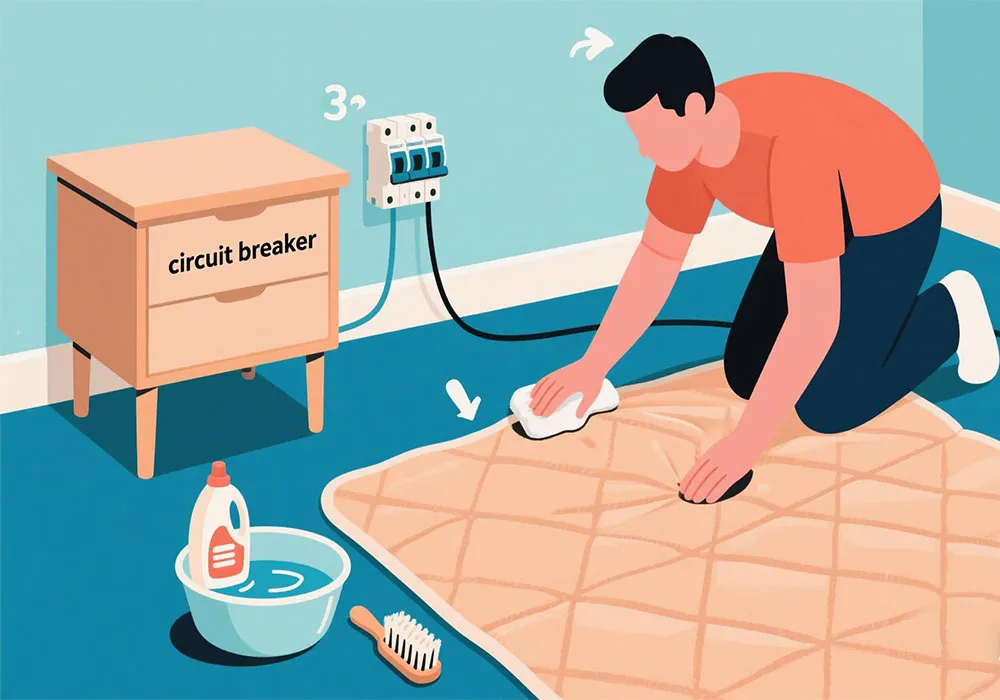
• For handwashing: Place the blanket flat in a basin, gently scrub stains with a mild detergent solution (water temperature ≤30°C). Do not soak fully or twist the heating element area.
Non-Removable One-Piece Models
• Spot Cleaning: Dampen a cloth with diluted neutral detergent, gently rub stains, then wipe with a clean damp cloth. Repeat until no residue remains.
• Avoid Harsh Treatments: Never machine wash, tumble dry, or wring forcefully to prevent wire damage.
Drying & Storage Best Practices
1. Safe Drying
• Air Dry: Lay flat in a well-ventilated area away from direct sunlight (to prevent fabric aging).
• Tumble Dry (If Allowed): Use a low-heat setting (≤50°C) and pause occasionally to reshape the blanket, avoiding heating element distortion.
2. Proper Storage
• Folding Care: Roll the dry blanket loosely instead of sharp folds, especially avoiding creases in heating zones.
• Environment: Store in a dry, pest-free container, away from radiators or humidifiers to prevent moisture damage.
Electrical Safety Tips
1. Basic Circuit Protection
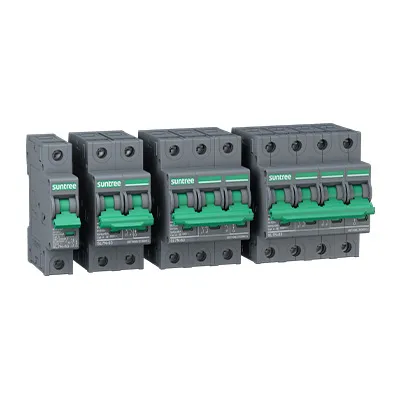
• When reconnecting a cleaned blanket, ensure your home uses a circuit breaker with overload protection. This device automatically cuts power during abnormal current surges, reducing short-circuit risks.
2. Routine Maintenance
• Check wall sockets for tight connections and avoid sharing outlets with high-power devices (e.g., space heaters, microwaves).
• For older blankets, use a separate timer or thermostat to control usage and extend lifespan.
Important Notes
• Always ensure the blanket is fully dry before reheating to avoid electric shock.
• Clean 1-2 times annually—excessive cleaning may wear down insulation.
• Never disassemble heating elements; contact professional repair services for issues.
By following the steps below and using basic electrical protection measures, you can use your electric blanket safely. Choose high-quality brand electrical products to make your electrical products more secure when using them in winter.